BAQA body art standards in Democratic People's Republic of Korea
BAQA helps clients in Democratic People's Republic of Korea ask better questions before choosing a tattoo, piercing, permanent makeup, SMP or tattoo removal provider.
Disciplines covered in Democratic People's Republic of Korea
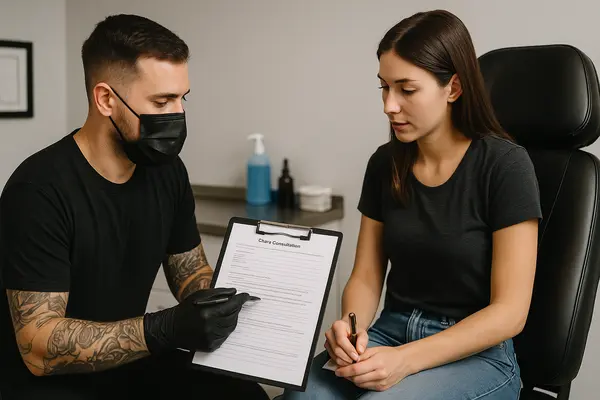
Tattoo Standards in Democratic People's Republic of Korea
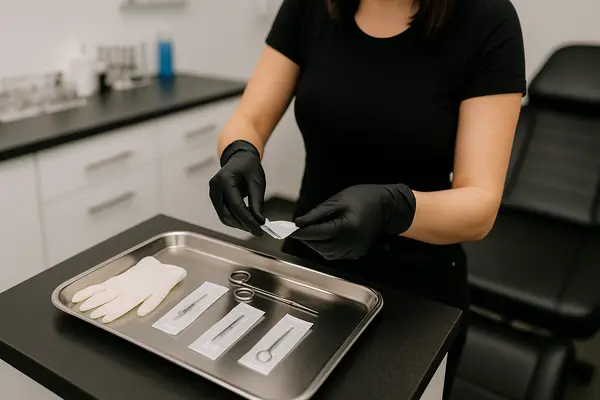
Body Piercing Standards in Democratic People's Republic of Korea
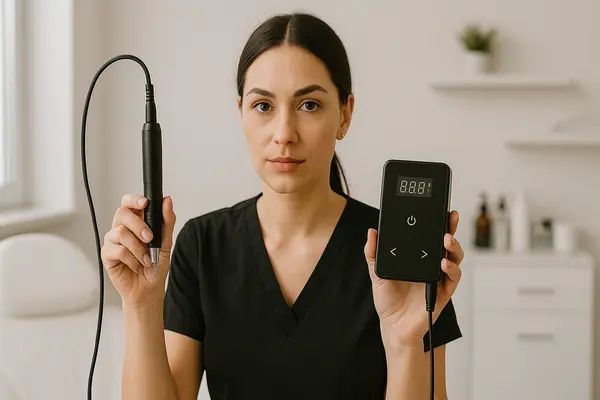
Permanent Makeup Standards in Democratic People's Republic of Korea
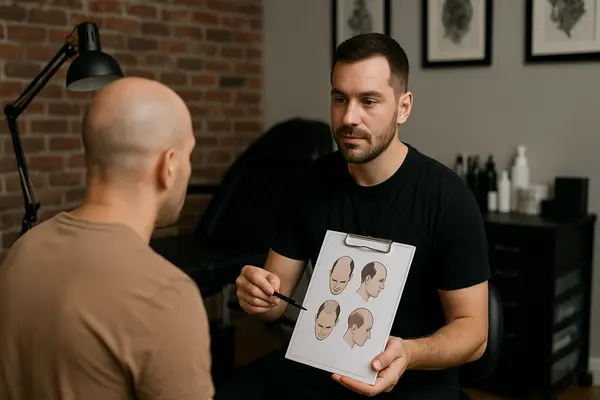
SMP Standards in Democratic People's Republic of Korea
Why standards matter in Democratic People's Republic of Korea
Body art clients often compare studios by price, location and photographs. BAQA encourages a more complete decision: clients should also ask about training, written consent, hygiene controls, equipment handling, aftercare advice, age checks, insurance and complaint procedures.
Regulations can differ between regions, provinces, states and local authorities. A BAQA-minded studio should be able to explain how it meets local duties while also following a broader professional standard.
For clients
Ask whether your artist or studio is BAQA registered and whether they can explain hygiene, consent, aftercare, record keeping and complaint procedures before the appointment starts.
For studios
BAQA registration gives responsible studios a clearer public signal that standards matter, and it gives clients a practical reason to trust the process behind the artwork.
For training providers
BAQA-recognized education helps align course outcomes with safety, ethics, documentation and the realities of professional body art practice.
Useful BAQA resources for Democratic People's Republic of Korea
Town-level guidance
BAQA town pages for Democratic People's Republic of Korea help local clients ask practical questions before choosing a tattoo, piercing, permanent makeup, SMP or removal provider. Each town page focuses on client safety, professional standards, registration awareness and the importance of checking local requirements.
Use the country and town guidance as a starting point for better conversations with studios, artists and training providers.
Town guidance examples in Democratic People's Republic of Korea
Use these town examples as starting points for local BAQA guidance about client safety, artist registration awareness and body art standards.
Body art in Democratic People's Republic of Korea
The Tattoo, Piercing, and Permanent Makeup Industry in the Democratic People's Republic of Korea (DPRK)
The Democratic People's Republic of Korea (DPRK), commonly known as North Korea, remains one of the most enigmatic nations in the world, with a rich tapestry of history, culture, and tightly-held traditions. Within this context, the tattoo, piercing, and permanent makeup industry offers a unique perspective on self-expression, cultural influences, and evolving aesthetics in the country.
Tattoos: Tradition and Interpretation
In ancient Korean history, tattoos were often associated with status or were used as protective symbols. Over time, and particularly in the modern context of the DPRK, the perception and significance of tattoos have evolved. While the cultural and social nuances of tattoos in North Korea are not widely publicized, it's understood that the practice exists, albeit discreetly. Those who opt for tattoos often lean towards subtle designs, potentially influenced by traditional motifs or personal symbolism.
Piercing: Subtle Adornments and Expression
Body piercings in the DPRK, like many aspects of personal adornment, are approached with a sense of discretion and cultural consideration. Traditional earlobe piercings for women remain the most common, while other forms of body piercings are less prevalent. The emphasis, as with many facets of North Korean society, leans towards subtlety and understatement, reflecting both individual choices and broader societal norms.
Permanent Makeup: A Glimpse into Beauty Standards
The concept of beauty and the standards associated with it in the DPRK, like in many East Asian countries, emphasize certain features such as well-defined eyebrows and softly tinted lips. Permanent makeup, while not as openly discussed or publicized as in other nations, exists as a niche service for those looking for lasting enhancements. Techniques like eyebrow tattooing or lip tinting offer a way for individuals to align with prevailing beauty standards while enjoying the convenience of reduced daily makeup routines.
A Community Defined by Discretion and Craftsmanship
The tattoo, piercing, and permanent makeup industry in the DPRK operates within a framework of cultural discretion and high craftsmanship. While the community of artists and technicians might not be as openly collaborative as in other countries, there is a shared dedication to the craft, ensuring that each service is provided with precision, care, and a deep respect for individual and cultural preferences.
Unraveling the Artistic Fabric of the DPRK
In the heart of the Korean peninsula, where tradition meets a unique form of modernity, the tattoo, piercing, and permanent makeup industry offers a window into the nuanced interplay of personal expression and cultural identity. While much about the DPRK remains shrouded in mystery, the presence of this industry hints at the universality of the desire for beauty, identity, and self-expression. For those curious about or engaged with the world of body art in North Korea, it's an opportunity to appreciate the intricate dance of individuality and collective culture in one of the world's most enigmatic nations.