Body art standards in Afghanistan
BAQA helps clients in Afghanistan ask better questions before choosing a tattoo, piercing, permanent makeup, SMP or tattoo removal provider.
Disciplines covered in Afghanistan
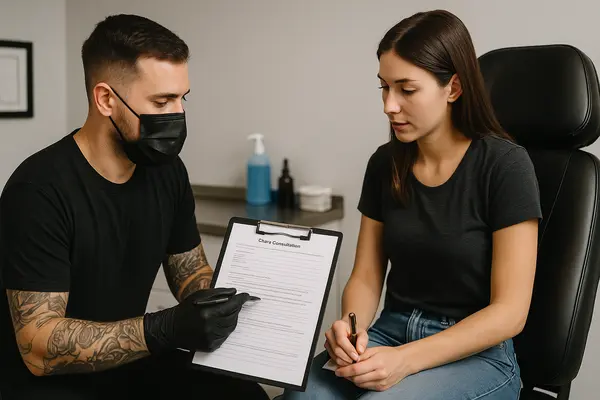
Tattoo Standards in Afghanistan
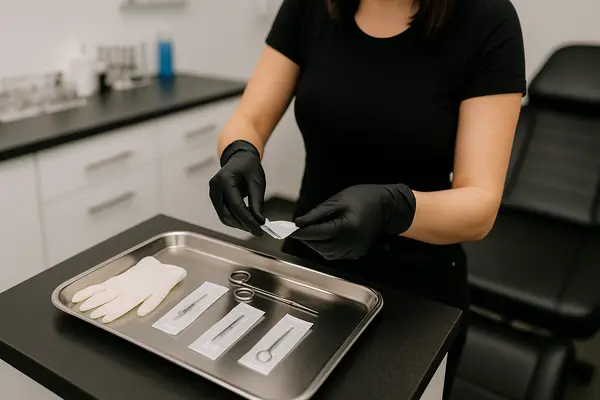
Body Piercing Standards in Afghanistan
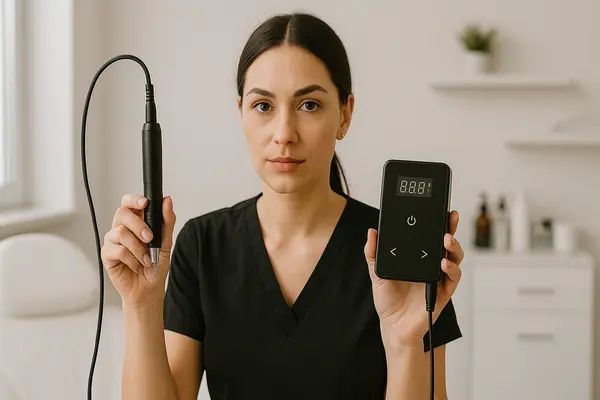
Permanent Makeup Standards in Afghanistan
SMP Standards in Afghanistan
Why standards matter in Afghanistan
Body art clients often compare studios by price, location and photographs. BAQA encourages a more complete decision: clients should also ask about training, written consent, hygiene controls, equipment handling, aftercare advice, age checks, insurance and complaint procedures.
Regulations can differ between regions, provinces, states and local authorities. A BAQA-minded studio should be able to explain how it meets local duties while also following a broader professional standard.
For clients
Ask whether your artist or studio is BAQA registered and whether they can explain hygiene, consent, aftercare, record keeping and complaint procedures before the appointment starts.
For studios
BAQA registration gives responsible studios a clearer public signal that standards matter, and it gives clients a practical reason to trust the process behind the artwork.
For training providers
BAQA-recognized education helps align course outcomes with safety, ethics, documentation and the realities of professional body art practice.
Useful BAQA resources for Afghanistan
Town-level guidance
BAQA town pages for Afghanistan help local clients ask practical questions before choosing a tattoo, piercing, permanent makeup, SMP or removal provider. Each town page focuses on client safety, professional standards, registration awareness and the importance of checking local requirements.
Use the country and town guidance as a starting point for better conversations with studios, artists and training providers.
Towns in Afghanistan
Showing towns 1–500 of 2,312. Every town below links to its canonical BAQA public standards page.
Body art in Afghanistan
Traditions and Transformations: The Landscape of Tattoo, Piercing, and Permanent Makeup in Afghanistan
At the crossroads of Asia, Afghanistan has a rich tapestry of cultures, traditions, and histories. This mosaic of influences is also mirrored in its relationship with body art, including tattoos, piercings, and the budding interest in permanent makeup. While these forms of body art are deeply entrenched in ancient practices and tribal affiliations, they also reflect the ongoing cultural transformations and personal expressions of a resilient nation.
Tattoos in Afghanistan are not a recent phenomenon. Historically, tattoos, known locally as 'deq,' have been a significant part of the cultural fabric, especially among the Pashtun and Hazara communities. Women, in particular, would often have simple blue or green tattoos on their hands, feet, and face, symbolizing beauty, tribal identity, or warding off evil. These traditional tattoos were more than just adornments they were an embodiment of stories, experiences, and a continuum of age-old customs.
However, the tattooing landscape in Afghanistan has been shaped and reshaped by the socio-political climate. During periods of conservative governance, tattoos, especially those beyond traditional motifs, were viewed with skepticism. Yet, the resilience of the art form is evident in its current revival, especially among urban youth. Modern tattoo parlors, albeit limited in number, are sprouting in cities like Kabul, heralding a resurgence and a redefinition of the art form.
Piercings, while traditionally limited to the ears and nose, especially among women, are also witnessing a transformation. The younger generation, influenced by global trends and seeking avenues for self-expression, is more experimental. While it's still a gradual shift, the boundaries of traditional and contemporary are being nudged, merging the age-old with the avant-garde.
The concept of permanent makeup is relatively new to Afghanistan, influenced by global beauty trends and the convenience it offers. As urban centers become more exposed to international styles and beauty standards, there's a budding interest in treatments that offer lasting beauty enhancements. Still, given the conservative pockets of the society, permanent makeup remains a niche service, predominantly catered to by specialists in bigger cities.
One cannot discuss the body art industry in Afghanistan without addressing the challenges. The nation has been marred by decades of conflict, and this turbulence has inevitably impacted the cultural arts, including tattoos and piercings. Safety and hygiene standards, while improving, are areas of concern, especially outside urban centers. Furthermore, while the younger generation is more receptive, body art still confronts societal judgments, often intertwined with cultural and religious perceptions.
Yet, the beauty of Afghanistan's relationship with tattoos, piercings, and permanent makeup lies in its resilience and capacity for change. As artists challenge norms and individuals wear their stories with pride, body art becomes a testament to Afghanistan's evolving identity—a blend of deep-rooted traditions and a yearning for modern expression.
In conclusion, the realm of tattooing, piercing, and permanent makeup in Afghanistan is a poignant reflection of its past, present, and future. It's a dance of tradition and transformation, of ancient motifs and modern interpretations. For those keen on understanding the soul of Afghanistan, its body art offers a window—a canvas of tales, tribulations, and tenacity.